Part 1 of 5
The signature
and the trigger
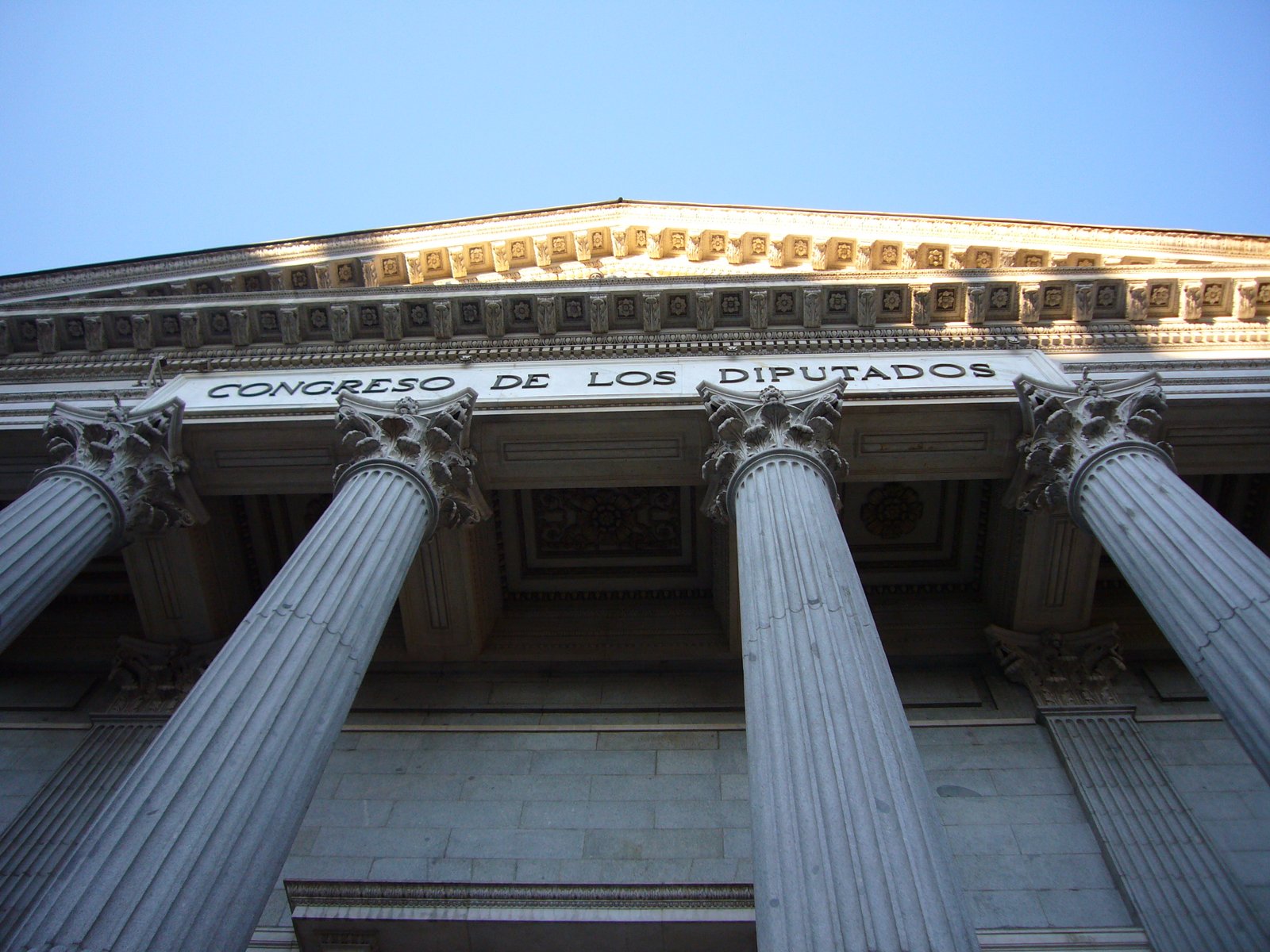
Congress struck down the government's housing decrees, and Pedro Sánchez announced the dissolution of Parliament. The election call of 5 October 2026 set the general election for 29 November and, with it, froze the body of voters in force on 1 August, five weeks before the Supreme Court's injunction. No legal date that sent voting to 29 November could have avoided that roll.
The housing decrees
The immediate trigger had nothing to do with the electoral roll. Congress refused to ratify the government's housing decrees, and that refusal precipitated the decision to call an election.[1] The electoral roll was a side effect of the election call, whether or not it entered the calculations of whoever signed it.
The process closed between 5 and 6 October. Sánchez announced it in an institutional address; the Council of Ministers then approved the dissolution and election decree, and the official gazette (BOE) published it on 6 October, taking effect that same day. The 15th legislature ends ahead of schedule.[1][2]
Publication sets the statutory deadlines running.[3]
- 5 Oct 2026Announcement and dissolution
Institutional address; notification to the King. - 6 Oct 2026The decree is published in the BOE
It takes effect the same day it is published. - 6 Oct – 19 NovWindow for requesting a postal vote
And for its return from abroad. - 13 Nov 2026The campaign opens
15 days, until 23:59 on 27 Nov. - 24–28 NovBan on publishing opinion polls
- 29 Nov 2026Election day
The fifty-fourth day
Electoral law leaves no room to choose the gap between the signature and the ballot box. Art. 42.1 of the LOREG fixes the vote on the fifty-fourth day after the election is called. An exact day, not a window the government can move within.[4]
Counted back from 29 November, the decree had to take effect in the first week of October. That is all the 5 October signature decided as far as the calendar goes.
The 1 August roll
Who gets called to the polls is decided by a single paragraph of the 1985 electoral law.
For each election, the Electoral Roll in force shall be the one closed on the first day of the second month before the election is called. Art. 39.1 LOREG (translated from the original Spanish)
If the election is called in October, the second month before is August, and the roll in force is the one closed on 1 August 2026. That is the body of voters that decides the 29 November election, and it admits no changes: once ballots are cast, no revision counts for anything.[4]
It is often said that the election was called on 5 October in order to freeze the roll. Electoral law being what it is, any election call that sent voting to 29 November would carry with it the 1 August roll, and with it the overseas-roll registrations — numbered in the hundreds of thousands — whose electoral effects the Supreme Court had, by then, already suspended.
That leaves another question, the one Part 2 takes up. Why no one enforced the Supreme Court's injunction before the election was called.
References
- Wikipedia (es), "Elecciones generales de España de 2026". es.wikipedia.org.
- Pedro Sánchez's institutional address, 5 October 2026. YouTube (wElQ9ZKUeAE).
- Newtral, "Calendario elecciones generales", 5 October 2026. newtral.es.
- Organic Law 5/1985 on the General Electoral System (LOREG), arts. 39.1 and 42.1. BOE-A-1985-11672.
Numbered in order of first citation in the text. See also Sources.